
How to Drive Safely on Snow and Ice: Essential Winter Driving Techniques
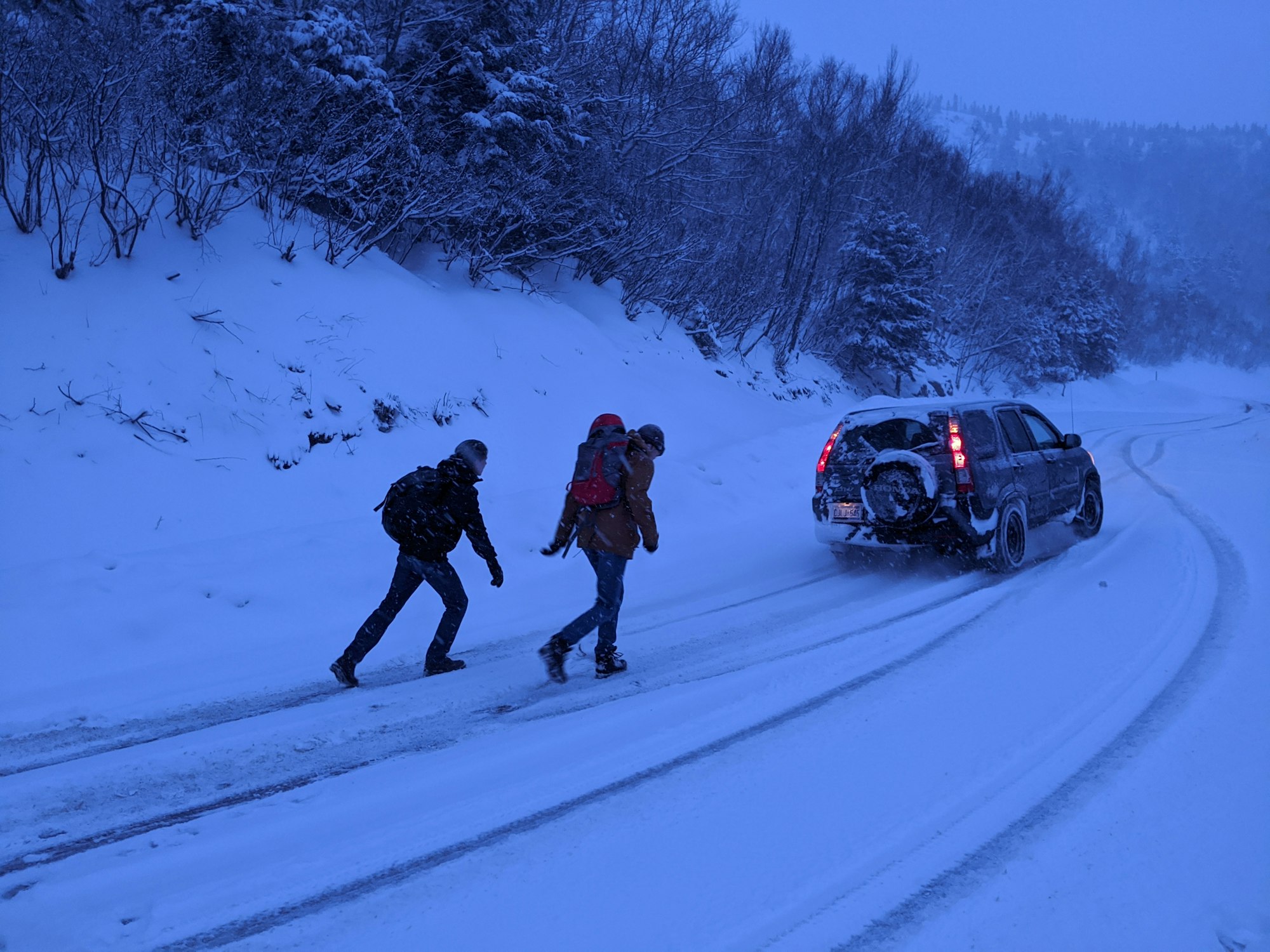
Master the Cold: A Step-by-Step Guide to Driving on Snow and Ice
Driving in winter requires a completely different skill set than cruising on dry summer tarmac. Sleet, packed snow, and invisible black ice demand extra patience, heightened anticipation, and smooth, deliberate movements behind the wheel. If you want to avoid getting stranded and keep your passengers safe this winter, follow these fundamental driving rules.
1. Master the Proper Use of Snow Chains
While modern winter tires handle most cold-weather conditions with ease, extreme blizzards and steep mountain passes often demand tire chains. Knowing how to use them correctly can save your car from serious damage:
- Install them snugly: Ensure chains fit tight against the tread. Loose chains can slap against your wheel arches, brake lines, or suspension components, causing costly mechanical failure.
- Equip all four wheels when possible: If you only have one pair, mount them on the drive axle. However, keep in mind that putting chains only on the front or rear leaves the unchained axle prone to losing grip. Approach corners at a crawl and brake well in advance.
- Mind your speed: Never exceed 50 to 60 km/h (30 to 35 mph) while driving on chains.
- Remove them on clear pavement: As soon as you leave packed snow or ice and hit bare asphalt, pull over safely and remove the chains to prevent road and tire damage.
2. Climb Slippery Hills Without Losing Traction
The biggest enemy when driving uphill on snow is wheel spin. Once your tires break traction, you lose momentum and risk sliding backward:
- Do not stomp on the gas: Pushing harder on the throttle will simply spin the wheels and polish the ice beneath them. Feather the gas pedal gently, applying only as much throttle as the tires can actually grip.
- Use higher gears: Shift up early to keep engine torque low at the wheels. If you are driving a manual or an automatic with manual mode, try starting or climbing in second gear.
- Maintain steady momentum: If traffic slows ahead, leave plenty of space so you do not have to come to a complete dead stop on an incline. If you do get stuck and space permits, gently reverse to a patch of untouched, softer snow where your tires can bite into fresh powder.
3. Tackle Downhill Slopes with Controlled Engine Braking
Descending a steep, icy hill can be nerve-racking, but planning ahead makes all the difference:
- Slow down before the crest: Scrub off your speed before your vehicle points downhill, not halfway down the slope.
- Shift into a low gear: Allow engine braking to control your descent rather than relying heavily on the brake pedal. In automatic vehicles, select a lower gear range (such as 1 or 2, or “L”).
- Make gentle steering inputs: If a vehicle ahead spins out or blocks the road, avoid sharp steering jerks. Make slow, progressive steering corrections toward open space while feathering the foot brake gently.
4. Recover Calmly from a Skid or Slide
Vehicle skids on icy surfaces almost always stem from one of four driver mistakes:
- Sudden, harsh engine braking (abrupt downshifts)
- Quick, jerky steering inputs
- Over-braking
- Over-accelerating
If your vehicle starts to slide, stay calm and respond according to your drivetrain:
- If the skid is caused by heavy engine braking: Depress the clutch immediately to disconnect engine drag from the wheels.
- If the rear end slides out (oversteer): In a manual, push in the clutch. In an automatic, lift off the accelerator completely. Gently steer in the direction you want the front of the car to go (steer into the skid). Avoid overcorrecting, which can trigger a violent snap-back in the opposite direction.
- Avoid slamming on the brakes: Sudden hard braking locks up tires and strips away any remaining steering control.
5. Smooth Takeoffs and Gentle Acceleration
High engine torque breaks traction almost instantly on ice. When starting from a complete standstill:
- Keep the RPM low: Avoid revving the engine. Turbocharged diesels deliver peak torque around 1,500 to 1,600 RPM, while gasoline engines build torque shortly after. Keep your revs near idle to let the tread grip the snow.
- Short-shift quickly: Move up through the gears promptly to deliver minimal rotational force to the tires.
6. Understand Why Dedicated Winter Tires Matter
Standard all-season tires harden as temperatures drop, turning stiff like plastic hockey pucks. Once the rubber stiffens, road grip plummets drastically.
- The 7°C (45°F) rule: Winter tires are engineered with specialized silica compounds that remain soft and pliable in freezing temperatures, providing superior grip even on dry, cold roads.
- Specialized sipes: The unique tread patterns contain thousands of tiny slits (sipes) designed to bite into snow and channel away slush for confident braking.
- Always mount a full set of four: Never install winter tires only on the drive wheels. Mixing compounds causes a dangerous traction imbalance, making your car significantly more prone to spinning out under braking or during turns.
You Might Also Like
 Driving Tips
How to Choose the Right Winter Tires: A Practical Buyer's Guide
Stay safe on slick roads this season. Learn how to select the best winter tires for your car using our clear, step-by-step buyer's checklist.
 Driving Tips
How to Start a Car: A Beginner's Guide to Manual and Automatic Transmissions
Learn how to start both manual and automatic cars with complete confidence. This step-by-step guide walks you through pedal controls, ignition, and setting off safely.
 Car Care
How to Remove Window Tint from Your Car: 5 Easy, Residue-Free Methods
Say goodbye to purple, bubbly window film. Here are the five best DIY ways to strip old car tint cleanly without damaging your defroster lines or glass.