
How to Choose the Perfect Bathtub: A Practical Buyer's Guide
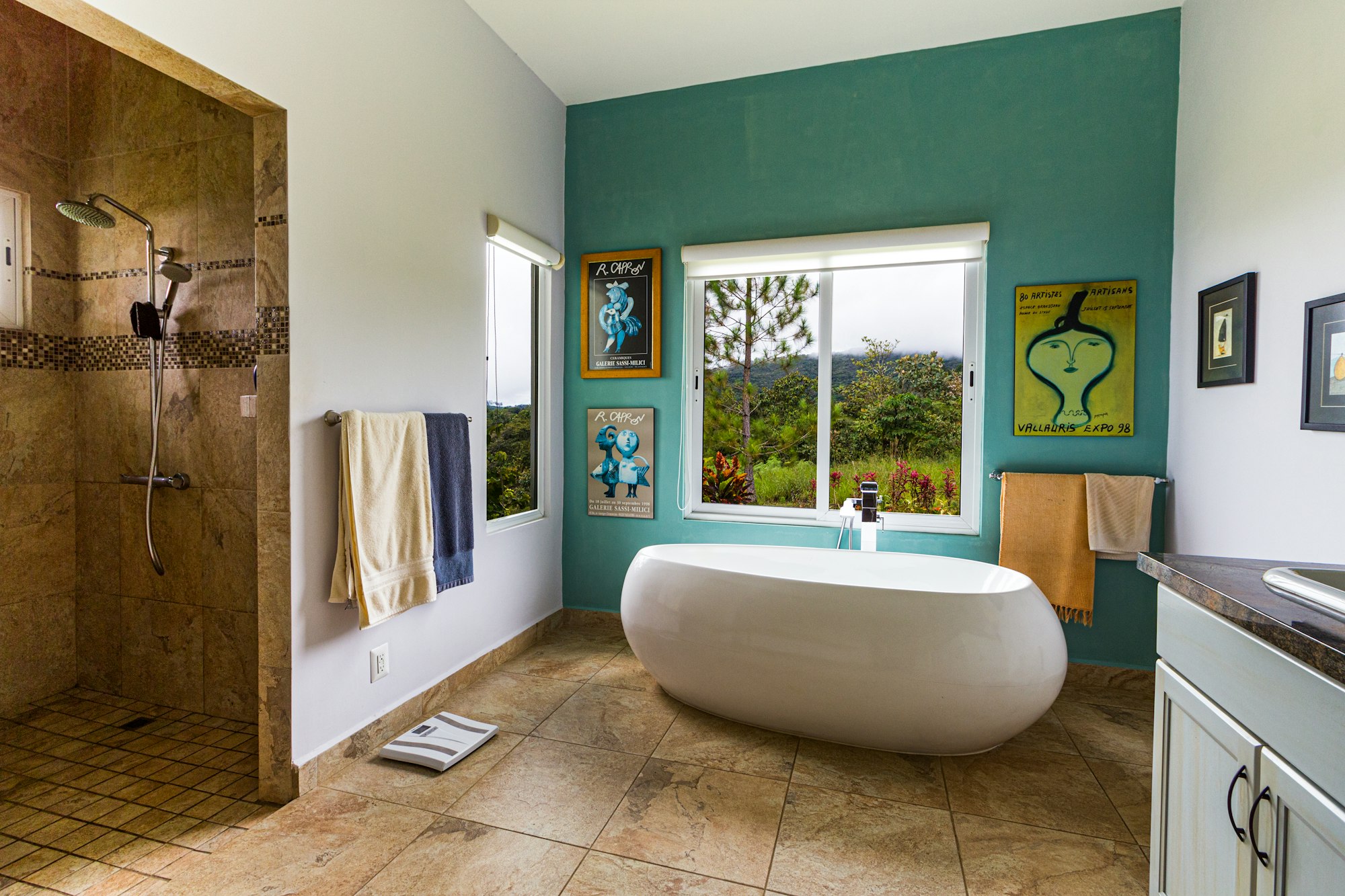
How to Choose the Perfect Bathtub: A Practical Buyer’s Guide
A great bathtub does far more than help you get clean. It anchors your bathroom’s design, elevates your self-care ritual, and provides a peaceful retreat at the end of a demanding day. Because a tub is a permanent fixture that you will use for years to come, choosing the right model requires balancing durability, comfort, dimensions, and personal aesthetic.
Walking into a showroom or browsing remodeling options can feel overwhelming. To help you make a confident decision, here is a practical breakdown of popular bathtub materials and key factors to evaluate before you purchase.
Bathtub Types by Material
Your bathroom’s floor structure, moisture levels, and cleaning habits will naturally narrow down your options. Below are the most popular materials on the market, each offering its own blend of longevity, maintenance, and visual charm.
1. Acrylic Bathtubs
Acrylic is a perennial favorite for good reason. It provides a non-porous, glass-smooth surface that feels warm to the touch and gentle on your skin.
- Easy cleaning: Acrylic naturally resists dirt buildup. Routine care requires little more than warm water and a soft cloth or mild liquid cleaner.
- Colorfast and UV-stable: High-quality acrylic holds its bright finish over time without fading or yellowing.
- Design versatility: Acrylic can be molded into virtually any shape, from minimalist freestanding silhouettes to ergonomic drop-in tubs that fit any budget.
2. Porcelain and Enamelled Cast Iron
Often considered the gold standard for classic, vintage-inspired bathrooms, enameled cast iron and porcelain-coated steel tubs are celebrated for their incredible longevity.
- Exceptional heat retention: These heavy tubs hold warmth longer than almost any other material, creating an indulgent soak.
- Durability: Resistant to dents and heavy impact, an enameled tub can easily last for decades.
- Things to keep in mind: These tubs are extremely heavy, often requiring reinforced floor joists. In addition, abrasive cleaning agents can dull the enamel over time, and repairing deep chips can be costly.
3. Cultured Marble Bathtubs
Cultured marble blends crushed limestone with polyester resins, finished with an elegant, non-porous gel coat.
- Luxe appearance: Frequently featured in boutique hotels, cultured marble delivers a refined, lustrous look with subtle veining.
- Stain resistance: The sealed outer layer prevents discoloration from bath oils and hard water.
- Drawback: Cultured marble is somewhat brittle. If significant structural cracking occurs, repairs are difficult, often necessitating a full replacement.
4. Fiberglass (FRP) Bathtubs
If upfront affordability and lightweight construction are your primary concerns, fiberglass is an accessible starting point.
- Budget-friendly: Fiberglass offers the lowest entry price among standard bathtub options.
- Lightweight: Easy to transport and install, making it ideal for upper-floor bathrooms with standard floor support.
- Trade-offs: Fiberglass has a shorter lifespan than acrylic or cast iron. It can flex underfoot, scratch easily, and lose its glossy finish over years of heavy use.
5. Statement and Natural Materials
If you want your tub to serve as an architectural centerpiece rather than just a utility fixture, explore artisanal materials:
- Carved Stone or Granite: Majestic, earthy, and virtually indestructible, though extraordinarily heavy.
- Copper or Brass: Striking metallic tones that develop an authentic, living patina over time.
- Cedar or Teak: Japanese-style soaking tubs (Ofuro) that infuse your bathroom with aromatic wood notes.
Essential Things to Consider Before Buying
Take Precise Measurements First
Before falling in love with a showroom model, measure the available floor space, wall clearance, and door frame dimensions. Note plumbing pipe locations as well. Bathtubs come in oval, rectangular, corner, and freestanding shapes; knowing your boundaries keeps the selection process realistic.
Think About Who Will Use It
Your household dynamics should guide your choice:
- Families with young kids: Look for low-threshold tubs with slip-resistant surfaces to make bath time safe and accessible.
- Older adults or mobility needs: Consider step-in tubs, integrated grab bar options, and lower tub aprons that eliminate the need to swing legs over high sidewalls.
Test the Ergonomics
Never hesitate to sit in display tubs before buying. Check the backrest slope, depth, and armrest contours. A tub that looks stunning in photos might feel awkward or uncomfortable for your frame during a 30-minute soak.
Factor in Height, Thickness, and Floor Support
Remember that deep-soak tubs with elevated bases raise the overall standing height. Check your ceiling clearance, especially if you plan to install an overhead shower head. For cast iron or heavy stone fixtures, consult a contractor to ensure your subfloor can support the combined weight of the tub, water, and bather.
Prioritize Long-Term Value Over Short-Term Savings
A bathtub replacement involves plumbing adjustments, tiling, and demolition. Investing in a resilient, high-quality tub today prevents premature replacements and costly renovations tomorrow.
You Might Also Like
 Home Decor
How to Choose the Perfect Towel Colors for Your Bathroom
Transform your bathroom into a stylish retreat with the right towel colors. Discover simple design rules, laundry-friendly palettes, and expert styling tips.
 Health
How to Relieve Severe Back Pain: Practical Remedies for Fast Relief
Struggling with intense back pain? Discover proven home remedies, smart self-care habits, and expert tips to soothe aching muscles and reclaim your comfort.
 Home Security
How to Choose a Steel Security Door: A Practical Homeowner's Guide
Protect your home with confidence. Learn how to spot counterfeit security doors, choose the right manufacturer, and ensure true peace of mind.