
How to Care for Dry Skin: The Essential Guide to Soft, Hydrated Skin

How to Care for Dry Skin: Daily Rituals for Lasting Hydration
Dry skin naturally produces less sebum and tends to be far more sensitive to everyday environmental triggers. When your moisture barrier is compromised, your complexion can look parched, dull, and flaky. Without a rich moisturizer applied right after cleansing, dry skin often feels tight, itchy, and uncomfortable. In severe cases, microscopic cracks can form, leaving your skin vulnerable to irritation.
Restoring hydration doesn’t require an overwhelming routine. By making a few mindful adjustments to how you cleanse, exfoliate, and lock in moisture, you can revitalize your skin and bring back its natural, healthy glow.
Essential Moisture-First Skincare Steps
1. Protect your natural oils. Your body naturally produces protective sebum to guard against dehydration and environmental stress. Unfortunately, everyday habits often strip this protective layer away before it can do its job. The biggest culprit is your shower routine. Steaming hot water and harsh detergents quickly strip the lipids right out of your skin barrier. Turn down the water temperature to lukewarm and switch to gentle, fragrance-free cleansers formulated specifically for sensitive skin.
- Keep your showers brief—aim for under 10 to 15 minutes once a day. If your lifestyle allows, bathing every other day can do wonders for keeping your natural barrier intact.
2. Exfoliate with extreme care. Gentle exfoliation is essential for shedding dead surface cells, preventing rough patches, and allowing your serums and creams to penetrate deeply. However, dry skin requires a delicate touch. Limit exfoliating to once or twice a week at most, especially on sensitive areas like your face. Avoid rough loofahs, coarse scrubs, or pumice stones that can cause micro-tears. Instead, opt for a soft, damp washcloth or a gentle chemical exfoliant like lactic acid.
- Keep your tools spotless. Traditional bath loofahs are notorious breeding grounds for bacteria and mold. Always reach for a fresh, clean cloth to prevent unexpected breakouts and irritation.
3. Pat, don’t rub, when drying off. Step away from aggressive towel-drying. Rubbing your skin vigorously with a towel creates mechanical friction, causing redness and stripping away precious hydration. Instead, gently pat your skin with a plush, clean cotton towel, leaving a light veil of dampness on the surface to help prep for your next step.
4. Try an intensive overnight treatment. Nighttime is when your skin does the heavy lifting of cellular repair. Take advantage of this window by applying a nourishing, emollient layer to parched areas before bed. If your hands, elbows, or heels are cracked, apply a generous balm and slip on soft cotton gloves or cozy socks. This locks in moisture, giving the active ingredients hours to deeply soften and heal the skin. Just be sure to wear older pajamas so you don’t worry about oil stains.
5. Seal in hydration immediately. Never let freshly cleansed skin completely dry out before applying your products. Within three minutes of stepping out of the shower or washing your face, smooth on a rich moisturizer to trap hydration within the skin cells. Even a simple, protective barrier makes a massive difference in preventing trans-epidermal water loss.
- Rich emollients like lanolin or restorative salves are fantastic options for extremely dry patches on the body. They mimic natural barrier lipids and create an impenetrable shield against harsh weather.
- For your face, heavy salves might feel too occlusive. Choose a rich cream powered by ceramides, hyaluronic acid, and squalane—ingredients that intensely hydrate without clogging your pores.
You Might Also Like
 Beauty
How to Look and Feel Beautiful: Simple Habits to Bring Out Your Natural Glow
Discover actionable, budget-friendly ways to elevate your natural beauty, from skincare and body confidence to personal hygiene and dressing for your shape.
 Beauty
How to Do Face Yoga: A Step-by-Step Guide to Natural Toning
Discover simple, natural face yoga exercises you can do at home with everyday items like a spoon or pencil to firm sagging cheeks, smooth fine lines, and lift your jawline.
 Beauty
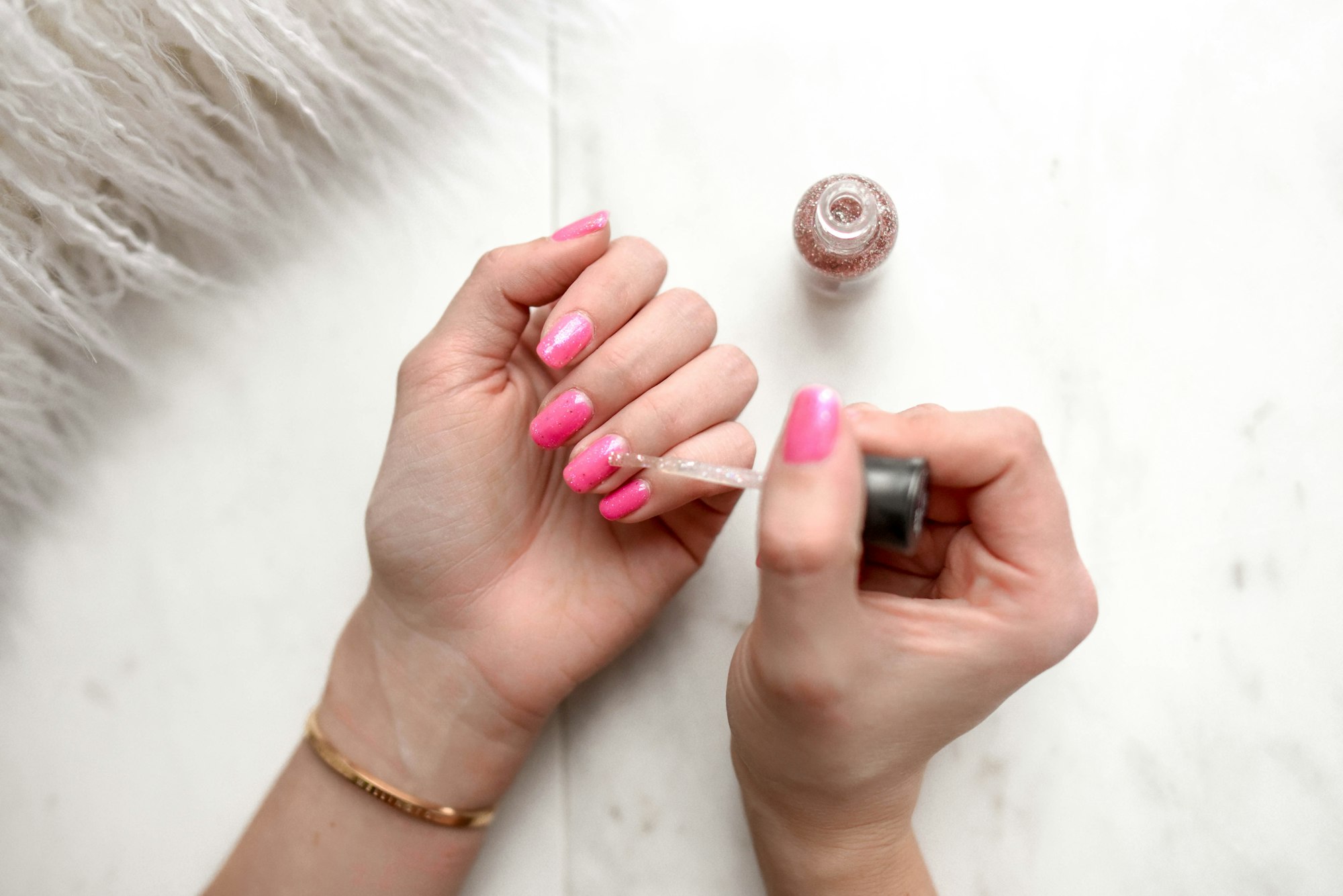
Winter Nail Care Guide: How to Strengthen Weak, Brittle Nails at Home
Cold weather can leave your nails brittle and peeling. Discover simple DIY soaks, nourishing habits, and seasonal tips to keep your nails strong all winter.